
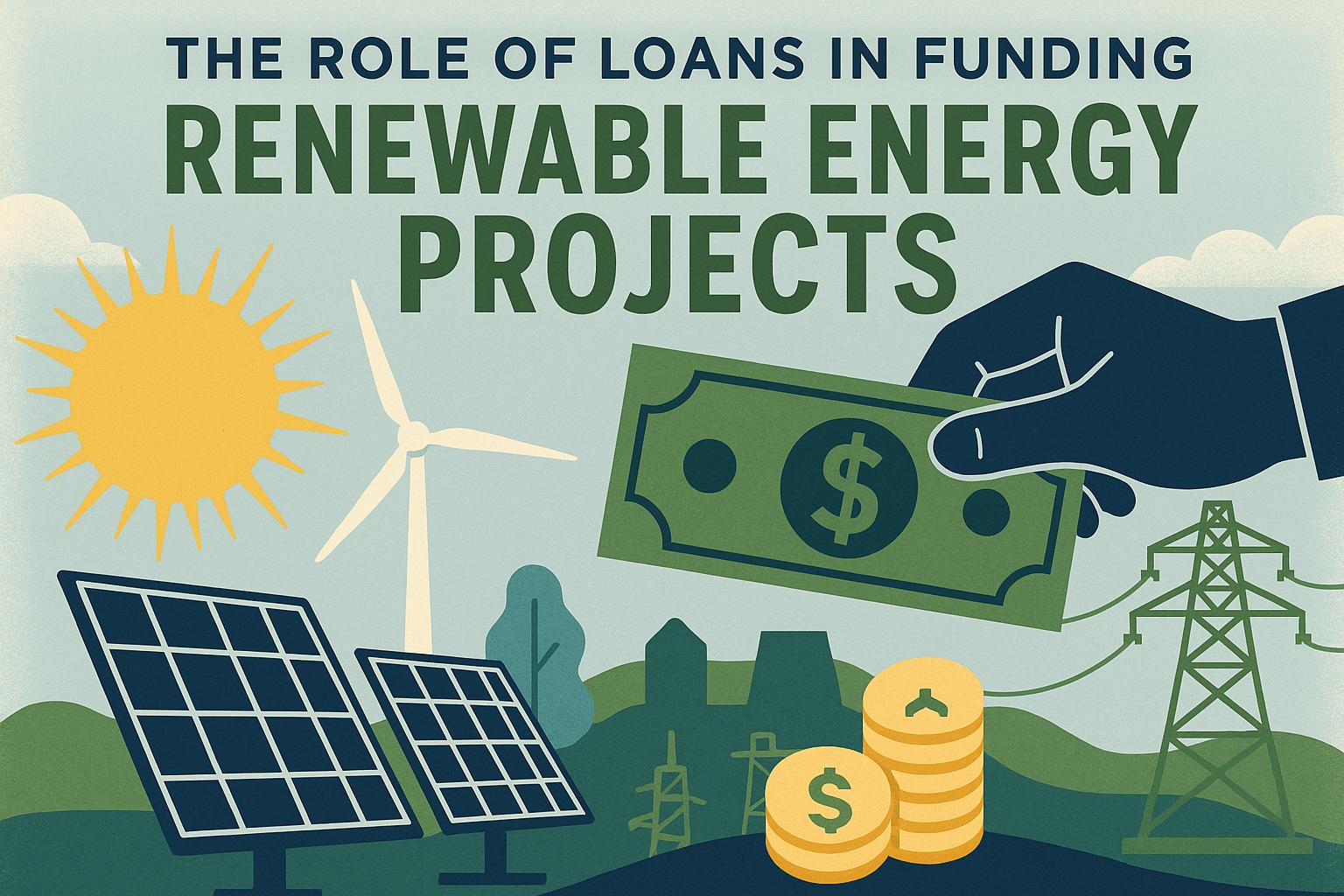
The role of loans in funding renewable energy projects.
The Importance of Loans in Renewable Energy Projects
Loans are integral to the financing of renewable energy projects, which are key contributors to transitioning towards a more sustainable and environmentally friendly future. As the world strives to reduce carbon emissions and move away from fossil fuels, the demand for renewable energy sources like solar, wind, and hydroelectric power is on an upward trajectory. With this increasing demand comes the necessity for substantial financial investments, and loans are crucial in bridging the gap between existing resources and the required capital for these ambitious projects.
Types of Loans for Renewable Energy Projects
There are various forms of loans available to fund renewable energy initiatives. These loans originate from an array of sources, including traditional banks, governmental programs, and private investment funds. Each type of loan offers its unique benefits, terms, and conditions that align differently with the objectives and financial strategies of renewable energy projects.
Bank Loans
Banks have recognized the incredible potential of renewable energy projects and consequently offer loans specifically designed to support these ventures. Such bank loans often come with competitive interest rates and flexible repayment terms, making them accessible and practical options for many developers. Before granting these loans, banks typically evaluate the project’s feasibility along with the borrower’s creditworthiness to ensure minimal risk. Interested parties can explore bank loan options available for renewable energy projects.
Government Loans and Grants
Governments globally play a significant role in promoting renewable energy by providing loans and grants that target the fostering of sustainable energy sources. These financial aids often carry favorable terms designed to reduce the initial financial burden on companies entering or expanding within the renewable energy sector. For more detailed information on government loans, please refer to the Energy Agency’s website.
Private Investment Funds
Private investment funds have become increasingly involved in the renewable energy space, providing both loans and equity financing to promising projects. These funds primarily look for projects that promise substantial returns on investment, often seeking those that employ innovative technologies and methodologies. They’re particularly instrumental for projects unable to secure financing from traditional banking models. Discover more about private financing options.
The Benefits of Using Loans for Renewable Energy Projects
Funding renewable energy projects through loans carries a multitude of benefits. Primarily, loans provide immediate capital, which is crucial for initiating and developing projects that typically require large upfront investments. This immediate funding helps prevent delays in project timelines and ensures that development can proceed as planned.
Another key advantage is that loans enable project developers to maintain control and preserve equity in their projects by minimizing the need to bring in additional investors, which often dilutes ownership. Moreover, loans can be customized in structure, allowing repayment schedules that align with the project’s cash flow, such as in tandem with anticipated energy production. This flexibility is especially beneficial for projects with prolonged incubation periods before achieving profitability.
Challenges and Considerations
Despite the clear benefits, utilizing loans for renewable energy projects comes with its set of challenges. High upfront costs are a common burden for developers, particularly if unexpected delays or disruptions occur during the project’s execution. Additionally, the dynamic nature of policy landscapes can significantly affect the attractiveness and feasibility of certain renewable projects, consequently impacting the terms and conditions of loans.
Project developers must carefully consider interest rates, loan terms, and any potential hidden fees. Precision in planning and comprehensive financial analyses are essential to ensure the judicious use of funds and the sustainable success of renewable energy projects.
Conclusion
Loans are indispensable in the development and implementation of renewable energy projects. With the appropriate financial backing, these projects have the potential to considerably reduce carbon emissions and enhance energy independence on a global scale. Whether sourced from banks, governmental bodies, or private investment funds, loans lay the groundwork for achieving international renewable energy objectives. Through continuous support and innovative financial solutions, loans will continue to play a vital role in advancing global renewable energy ventures.