
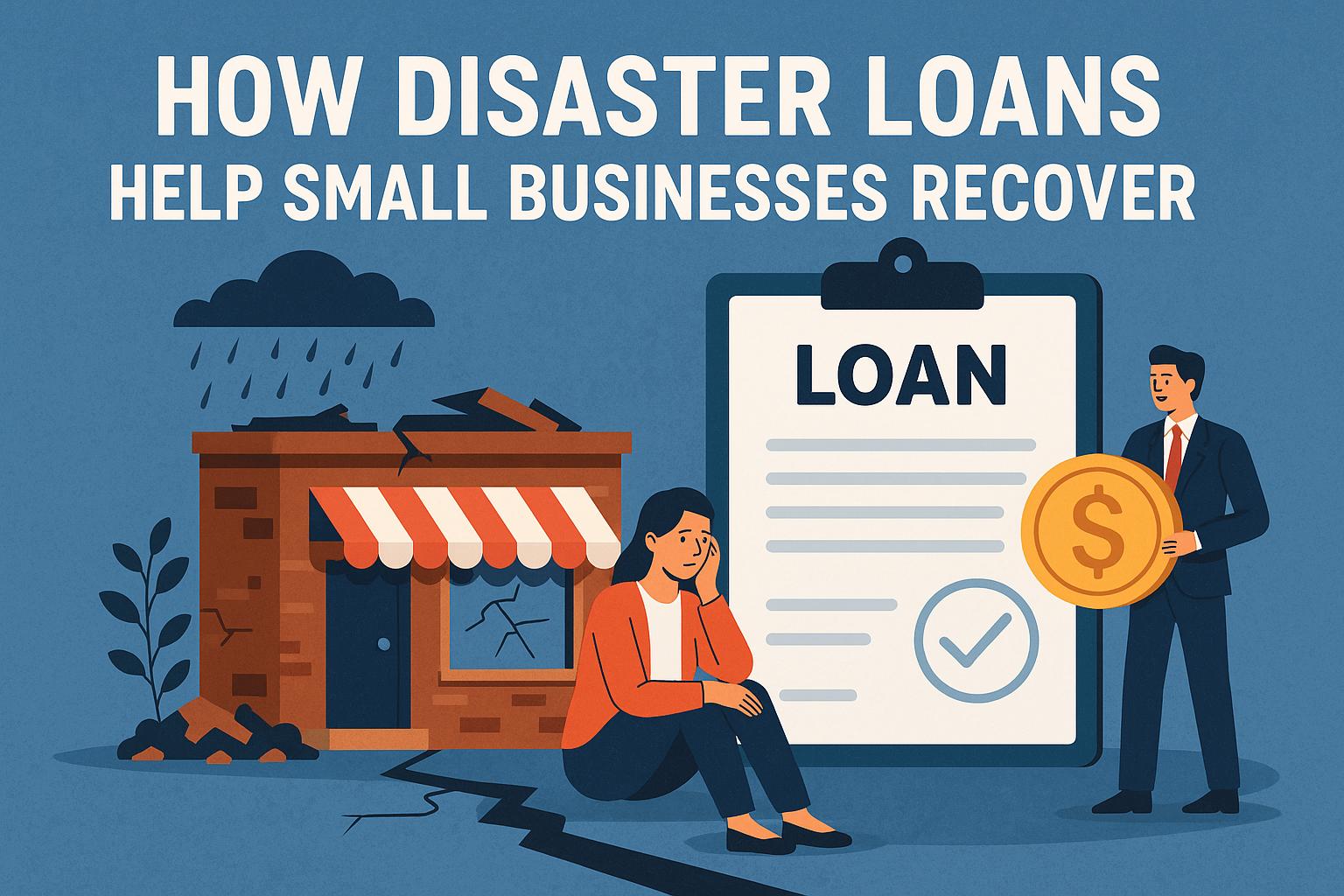
How disaster loans help small businesses recover.
Understanding Disaster Loans for Small Businesses
Disaster loans serve as an essential resource for small businesses facing the aftermath of unforeseen calamities that disrupt their usual operations. These loans, commonly extended by government agencies such as the U.S. Small Business Administration (SBA), are meticulously crafted to assist businesses in recuperating from the financial deprivations triggered by disasters, including hurricanes, earthquakes, or pandemics.
Eligibility for Disaster Loans
The eligibility criteria for disaster loans underscore the importance of location and injury. A small business must have faced substantial physical or economic damage due to a recognized disaster to qualify. Additionally, the business must be situated within the designated disaster zone to be considered eligible. Various government entities demand demonstrable evidence of property damage or revenue loss when businesses submit applications for assistance.
Types of Disaster Loans
Disaster loans manifest in diverse forms to address varied necessities that businesses encounter:
Physical Damage Loans: These are tailored for enterprises that endure physical impairments to their property and assets. They encompass expenses related to repairing or replacing damaged equipment, inventory, and other essential business resources.
Economic Injury Disaster Loans (EIDL): This type of loan primarily focuses on providing the working capital businesses necessitate when substantial financial deficits arise due to a disaster. EIDLs are designed to cover pressing expenses, like operating costs, which businesses could have managed had the disaster not transpired.
Application Process
The journey through the application process for disaster loans involves numerous crucial steps:
1. Initially, businesses must ascertain their eligibility by examining whether a disaster has been declared in their region and assessing its impact on their operations.
2. The next step requires applicants to prepare and submit a comprehensive loan application coupled with supporting documents, such as tax returns and financial statements.
3. Subsequently, the approving agency evaluates the application meticulously, deciding the loan’s size and conditions based upon the magnitude of the damages and the applicant’s financial health.
Advantages of Disaster Loans
The principal advantage proffered by disaster loans is the indispensable financial aid essential for preserving business continuity. These loans are often associated with appealing terms, which typically include low interest rates and generous repayment schedules. Such favorable conditions enable businesses to prioritize recovery and stabilization without the burden of immediate financial stress.
For further details on disaster loans and the application process, potential applicants can explore the official SBA Disaster Assistance page.
In summary, disaster loans constitute a pivotal resource for small businesses plagued by unforeseen hardships. They take an instrumental role in facilitating businesses’ endeavors to rebuild, sustain operations, and fortify their financial stability in the aftermath of a disaster.
Delving Deeper into Disaster Loans
Understanding the Role of Government Agencies
The administration and disbursement of disaster loans are largely overseen by government agencies, most notably the SBA. These institutions work collaboratively to ensure that small businesses receive the aid they need in a timely manner. By offering detailed guidelines on disaster loan policies, these agencies help ensure transparency and simplicity in the application and approval processes.
Key Features of Economic Injury Disaster Loans
Distinct from other financial aids, EIDLs provide critical support to ensure businesses remain afloat amidst economic challenges. The working capital furnished by EIDLs covers day-to-day operating expenses, allowing business owners to focus on strategic planning without being bogged down by immediate financial pressures.
Tailored Solutions for Unique Needs
Understanding that no two businesses are alike, disaster loans offer tailored solutions depending on the unique requirements of each enterprise. By aligning loan terms with specific business needs, lenders ensure that recipients are not overburdened and can comfortably manage their repayments.
Navigating the Application Maze
Securing a disaster loan involves navigating a complex application process that demands both precision and thoroughness. Prospective applicants are encouraged to seek guidance from financial advisors to ensure that their applications meet all set criteria. This preliminary strategizing can drastically improve the chances of loan approval.
Documentation: The Backbone of an Application
Comprehensive documentation underpins the success of any disaster loan application. Applicants should meticulously curate and verify their financial records, ensuring accuracy and relevance to avoid undue delays. This comprehensive approach not only facilitates a smoother review process but also contributes to the perception of the business as a serious and viable loan candidate.
Benefits Beyond Financial Support
Beyond the immediate financial reprieve conferred by disaster loans, these aids often bring intangible benefits, like renewed investor confidence and strengthened business credibility. By demonstrating proactive measures towards safeguarding business operations, enterprises can solidify their reputations among stakeholders such as customers, investors, and partners.
In retrospect, while disasters present daunting challenges, they also provide a unique opportunity for businesses to reassess their strategies, reinforce resilience, and forge stronger operational frameworks. Disaster loans are not merely monetary support but are also strategic tools empowering businesses to emerge stronger, more adaptable, and better prepared for future uncertainties.