
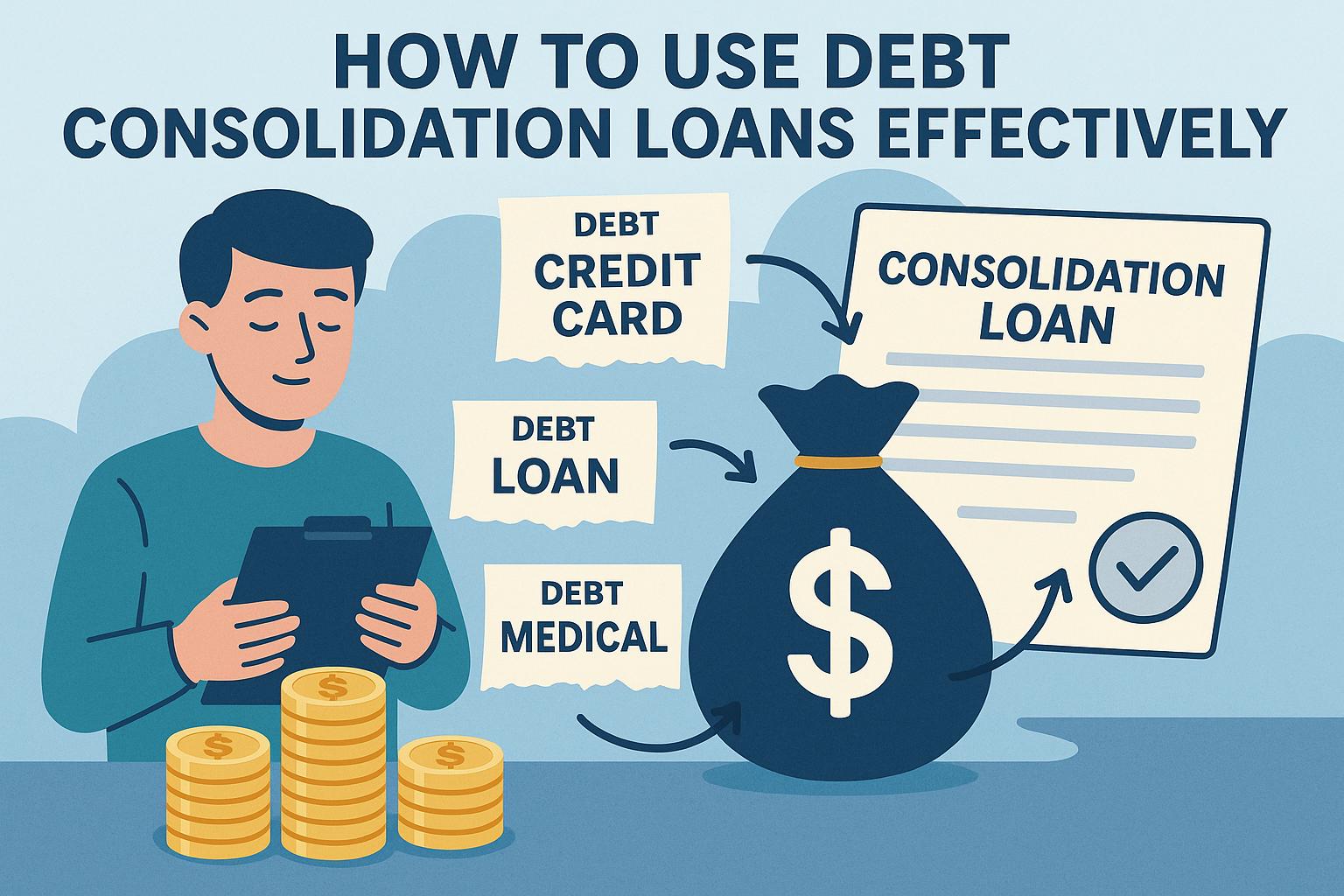
How to use debt consolidation loans effectively.
Understanding Debt Consolidation Loans
Debt consolidation loans are financial tools designed to help individuals manage multiple debts more effectively by merging them into a single, consolidated loan that often has a lower interest rate. Using these loans strategically can significantly ease financial burdens and streamline monthly payment processes.
Key Benefits of Debt Consolidation Loans
The foremost benefit of a debt consolidation loan is the opportunity to consolidate various payments into a single monthly payment. This typically comes with a reduced interest rate when compared to pre-existing debts. Such simplification not only aids in easier budgeting but also enhances credit management. Moreover, by potentially reducing the interest rate, one can realize savings over the loan’s lifespan. Achieving financial stability becomes more feasible as individuals can allocate funds that would have otherwise gone towards high interest payments to other financial priorities.
Types of Debt Consolidation Loans
Debt consolidation loans can be categorized into two types: secured and unsecured. Secured loans necessitate collateral like a home or vehicle. The provision of collateral generally results in lower interest rates, as the lender’s risk is mitigated. On the other hand, unsecured loans do not require any collateral, although they often come with higher interest rates due to the increased risk for lenders. Understanding the difference between these loan types is crucial for selecting the most appropriate option tailored to your financial circumstances. Each type comes with its own set of pros and cons, making it imperative to weigh the potential risks and benefits.
Steps to Using Debt Consolidation Loans Effectively
Assess Your Financial Situation
Conducting a thorough assessment of your financial status is paramount before applying for a debt consolidation loan. This involves identifying all outstanding debts, understanding current interest rates, and determining monthly payment obligations. This step provides clarity on the amount you need to borrow and whether consolidating these debts will lead to an improved financial scenario. By being thorough in this phase, you are better equipped to make informed decisions that align with your overall financial goals.
Research and Compare Loan Options
It is essential to research various lenders and available loan options comprehensively. Compare the interest rates, terms, and any associated fees of each potential loan. Ensure that the chosen loan offers a monthly payment you can manage while also ensuring that the total cost is less than your existing debts. Engage tools recommended by the consumer financial protection bureau for a more detailed analysis of loan options. A meticulous comparison ensures that you capitalize on the best possible rates and terms available in the market.
Create a Budget and Payment Plan
Once you have successfully secured a debt consolidation loan, it is vital to structure a realistic and effective budget alongside a payment plan. This requires commitment to timely payments and resisting the temptation to incur new debts to avoid lapsing into previous financial struggles. The implementation of budgeting tools or consulting with a financial advisor can provide additional support in maintaining financial discipline. By keeping a detailed account of expenditure and income, you can prevent unnecessary financial risks and maintain efficient payment schedules.
Frequently Asked Questions
For individuals harboring additional queries, exploring frequently asked questions or consulting financial advisors can provide further insights. They can address concerns such as the impact on credit scores, the potential pitfalls associated with debt consolidation, and other personalized advice. Valuable resources like CFPB’s Ask CFPB offer comprehensive answers to common financial questions, providing clarifications on debt management strategies and good financial practices.
Furthermore, understanding debt consolidation loans requires discerning its interplay within broader personal finance strategies and the potential long-term effects on financial health.
Additional Considerations
Understanding Credit Impact
Undertaking a debt consolidation loan can have mixed effects on your credit score. Initially, applying for the loan may cause a slight dip due to credit inquiries. However, if utilized responsibly, consolidating debt often leads to timely payments which can enhance your credit score over time. It’s crucial to understand this dynamic thoroughly; the loan can serve as a bridge to better credit standing if managed diligently.
Identifying Potential Pitfalls
While debt consolidation provides relief, it’s important to comprehend potential pitfalls such as accruing additional debt or failing to meet payment deadlines, which can further deteriorate your financial situation. Recognizing these risks beforehand allows for establishing strategies to avoid them, ensuring the debt consolidation process fulfills its intended purpose effectively.
Consulting with Financial Experts
Consulting financial experts or advisors can offer key insights tailored to individual circumstances, helping navigate the intricacies of debt consolidation. They can provide personalized advice that aligns with your financial landscape, ensuring informed decision-making processes that cater to long-term financial health.
Conclusion
While debt consolidation loans are indeed effective tools for managing multiple debts efficiently, they necessitate comprehensive understanding and strategic planning. By assessing financial situations thoroughly, researching loan options, creating sound budgets, and understanding potential impacts, individuals can leverage these loans effectively. Utilizing resources such as advisory services and educational platforms also ensures a smarter approach to debt management, heralding a path towards financial stability and freedom.