
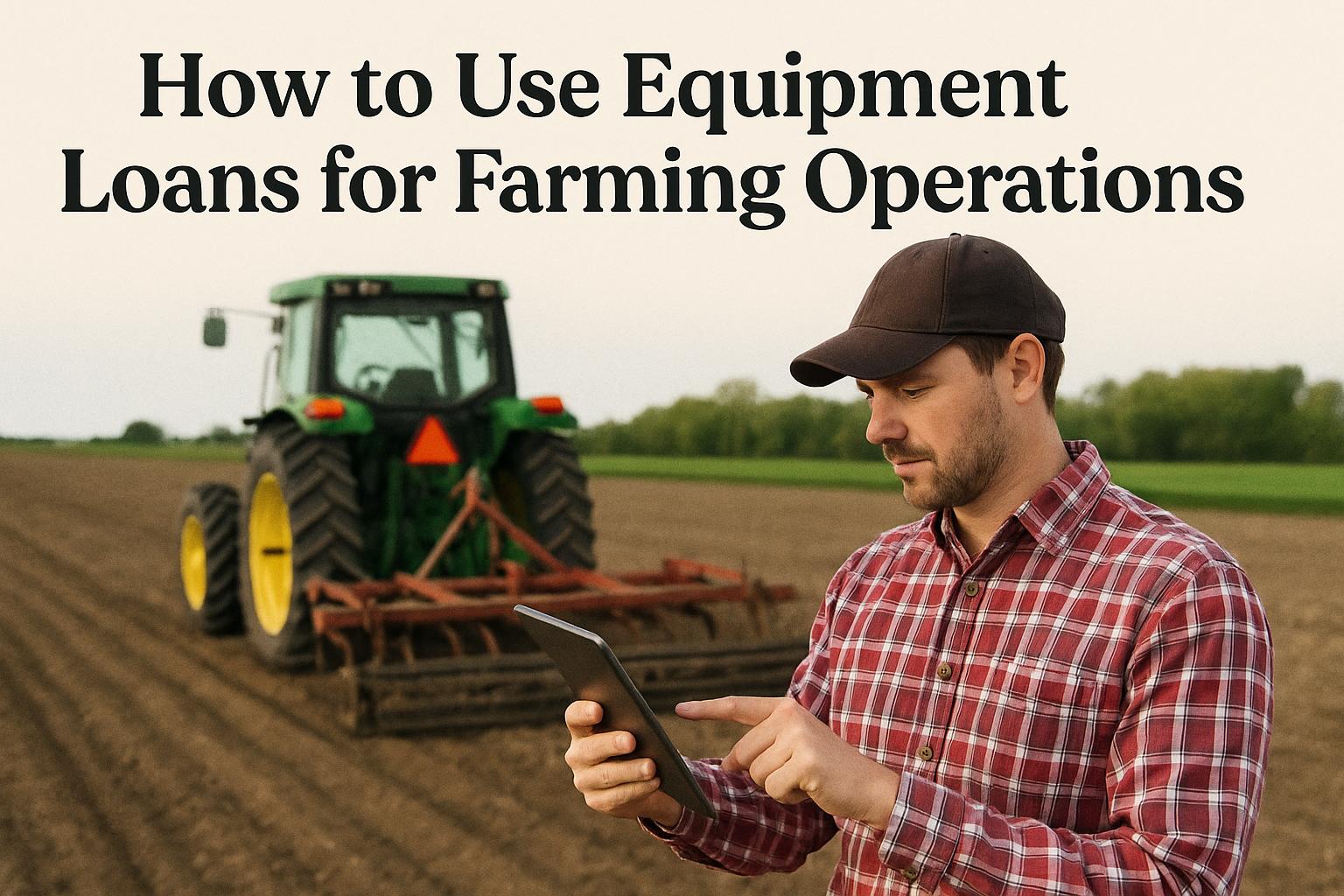
How to use equipment loans for farming operations.
Understanding Equipment Loans for Farming Operations
Farming operations require significant investment in machinery and equipment to ensure productivity and efficiency. Managing such operations can be financially demanding, necessitating strategic solutions to acquire essential tools. Equipment loans present an effective means to obtain the necessary machinery without the need for immediate full payment, thus improving both operational capacity and the financial health of a farm.
What Are Equipment Loans?
Equipment loans are tailored financing options that are designed to facilitate the acquisition of machinery and tools essential for agricultural and other commercial operations. These loans often cover a significant portion of the equipment’s cost, thereby allowing farmers to distribute payments over a period of time. Typically, the purchased equipment itself acts as collateral for the loan, which might result in more advantageous terms compared to unsecured loans. The secured nature of these loans usually translates to lower interest rates and longer repayment periods, offering a financially manageable option for farmers.
Benefits of Equipment Loans
One of the primary advantages of equipment loans is the ability to acquire necessary machinery swiftly, thereby avoiding any potential operational downtime. By financing equipment through loans, farmers can preserve their working capital, which can then be allocated to other critical operational needs such as seeds, fertilizers, and labor. Additionally, the interest rates on equipment loans tend to be competitive due to the collateralized nature of the loan, reducing the lender’s risk and potentially lowering the cost of borrowing. Such competitive rates make equipment loans a compelling choice for modern agricultural operations looking to expand their capacity or replace aging equipment.
Planning for an Equipment Loan
Before obtaining an equipment loan, a thorough evaluation of the farm’s financial situation is essential. Farmers should assess their current financial standings and clearly identify their equipment needs. It is vital for farmers to consider the long-term impact of loan repayments on their cash flow. Future revenue must sufficiently cover loan repayments to maintain financial stability. Detailed financial planning is critical, as it prevents over-borrowing and ensures that the farming operation remains viable and sustainable over time.
Choosing the Right Lender
Selecting the appropriate lender for an equipment loan involves careful consideration of several factors, including the lender’s reputation and the terms of the loan. Farmers are advised to compare interest rates, repayment schedules, and any additional fees associated with different financing options. Engaging with lenders who specialize in agricultural loans can be particularly beneficial, as they may provide tailored services and insights into the specific needs of farming operations. Gathering information from dedicated agricultural financial forums and resources could also be invaluable in making an informed decision.
Application Process
The application process for equipment loans generally requires comprehensive financial information from the borrower. This includes income statements, balance sheets, and a business plan that details the intended use and expected advantages of the equipment being financed. Presenting a clear and compelling case through these documents significantly enhances the likelihood of loan approval. A well-prepared application demonstrates the borrower’s serious approach to financing and their ability to manage the loan responsibly.
Utilizing Purchased Equipment Efficiently
Once the equipment is acquired, integrating it effectively into farming operations is crucial to maximize the return on investment. Regular maintenance and operator training are vital to extend the equipment’s lifespan and ensure it operates efficiently. Establishing a rigorous maintenance schedule helps avoid costly downtime caused by unexpected breakdowns. Training operators not only enhances productivity but also minimizes operational errors and equipment wear and tear. Maintaining detailed records of equipment performance offers valuable insights that can assist in future planning and decision-making, ensuring continued operational success.
Tax Implications
Tax considerations also play a significant role when using equipment loans. Many jurisdictions provide depreciation or other tax incentives for the purchase of agricultural equipment. These incentives can potentially enhance the financial outcomes of obtaining and utilizing equipment loans, providing additional motivation for farmers to pursue such financing options. Understanding the specific tax rules relevant to agricultural equipment purchases is essential for farmers to fully leverage these financial benefits.
Conclusion
Equipment loans are an invaluable resource for the modernization and expansion of farming operations. By understanding the intricacies involved, including the terms, benefits, and planning processes, farmers can make informed decisions that bolster their business’s growth potential. Expertise from financial advisors familiar with agricultural finance can also be beneficial in navigating these financial tools effectively. Through strategic implementation of equipment loans, farming operations can achieve enhanced productivity, efficient financial management, and greater operational sustainability.