
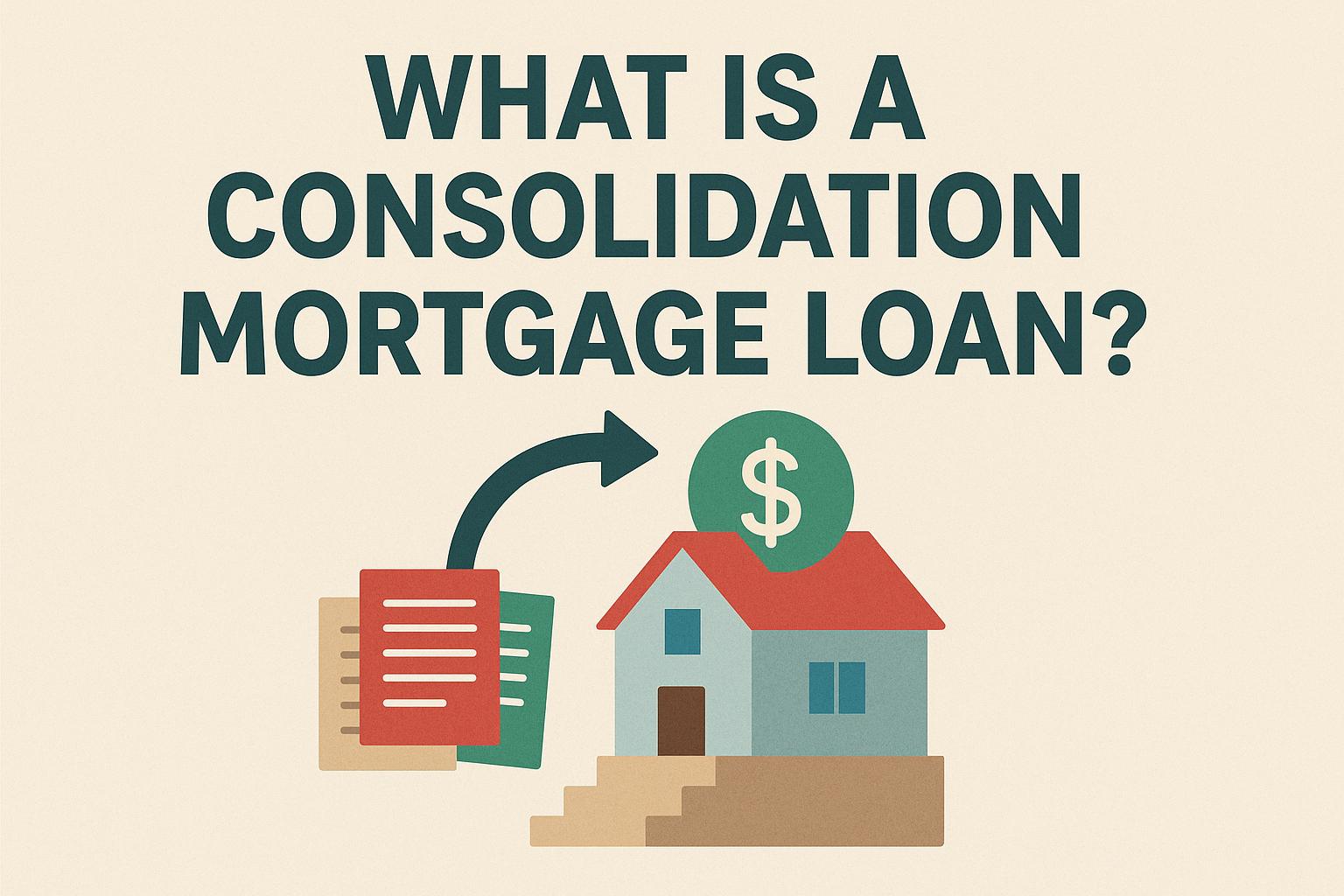
What is a consolidation mortgage loan?
Understanding Consolidation Mortgage Loans
A consolidation mortgage loan is a financial strategy designed to simplify and manage multiple debts. This involves amalgamating several mortgage debts into a single loan. The primary purpose of such a financial maneuver is to capitalize on better interest rates and simplify the monthly payment process. By doing so, borrowers may reduce financial stress and enjoy more manageable repayment terms. This strategy can be particularly useful for individuals looking to streamline their financial obligations and potentially improve their financial health.
How Does a Consolidation Mortgage Loan Work?
A consolidation mortgage loan effectively replaces multiple existing mortgage loans with a new loan, ideally with more favorable terms. The new loan is used to pay off the existing debts, leaving the borrower with only one account to manage. This consolidation can often result in lower monthly payments, achieved through reduced interest rates or extended loan terms. The process is relatively straightforward: once the consolidation loan is approved, funds are disbursed to clear the existing debts, consolidating them into one loan typically characterized by a single monthly payment.
Benefits of a Consolidation Mortgage Loan
Streamlined Payment Process: One of the key advantages of a consolidation mortgage loan is the simplification of the payment process. Borrowers only have one monthly payment to manage instead of keeping track of multiple payment dates and amounts. This can lead to better financial management and less stress regarding financial obligations.
Potential Interest Savings: If the new consolidation loan offers a lower interest rate, borrowers might save significant amounts over the lifespan of the loan. The savings achieved can be used for other financial needs or reinvested into the principal to repay the debt even faster.
Improved Cash Flow: Lower monthly payments can free up cash to address other expenses, potentially enhancing the borrower’s financial stability. With more disposable income, borrowers have the flexibility to dip into reserves for emergencies, invest, or simply enjoy a better quality of life without the constant burden of multiple debt repayments.
Considerations and Risks
While consolidation can offer several benefits, there are also important considerations and potential risks:
Risk of Longer Loan Terms: In an attempt to reduce monthly payments, extending the duration of the loan might result in paying more in interest over the life of the loan. The initial monthly savings can be deceptive, leading to a higher total cost once the loan term is complete.
Initial Fees and Closing Costs: Acquiring a new loan can involve substantial fees, such as closing costs, which may offset some of the benefits. Borrowers should be aware of these costs and factor them into their decision-making process to ensure they derive the expected benefits from the consolidation.
Is a Consolidation Mortgage Loan Right for You?
Not every homeowner stands to benefit from a consolidation mortgage loan. Certain factors must be carefully evaluated:
Current Interest Rates: Assessing current interest rates is crucial. If the existing loans have lower rates or similar rates as the current market, then consolidation may not provide advantages.
Your Credit Score: Your credit score also determines the interest rates you might qualify for on a consolidation loan. If your credit score is favorable, you could potentially secure better terms and make the consolidation worthwhile.
Associated Fees: It is essential to consider the upfront costs associated with obtaining a new loan. Fees and closing costs can quickly add up, potentially outweighing the anticipated interest savings.
Analyzing whether potential savings over time outweigh any initial costs is vital. For some, the process might not result in substantial benefits, and in such cases, maintaining the existing loan structure could be more financially prudent.
In conclusion, a consolidation mortgage loan can be a valuable tool for simplifying debt management and potentially reducing interest payments. However, understanding both the benefits and potential drawbacks is crucial. Consulting with a financial advisor or mortgage broker could provide personalized guidance tailored to your specific financial situation. For those seeking further information, exploring professional financial advisory platforms or consulting with certified financial consultants might be beneficial. As with all financial decisions, a careful and thorough assessment is recommended to understand the full implications of consolidation on your financial health and well-being.