
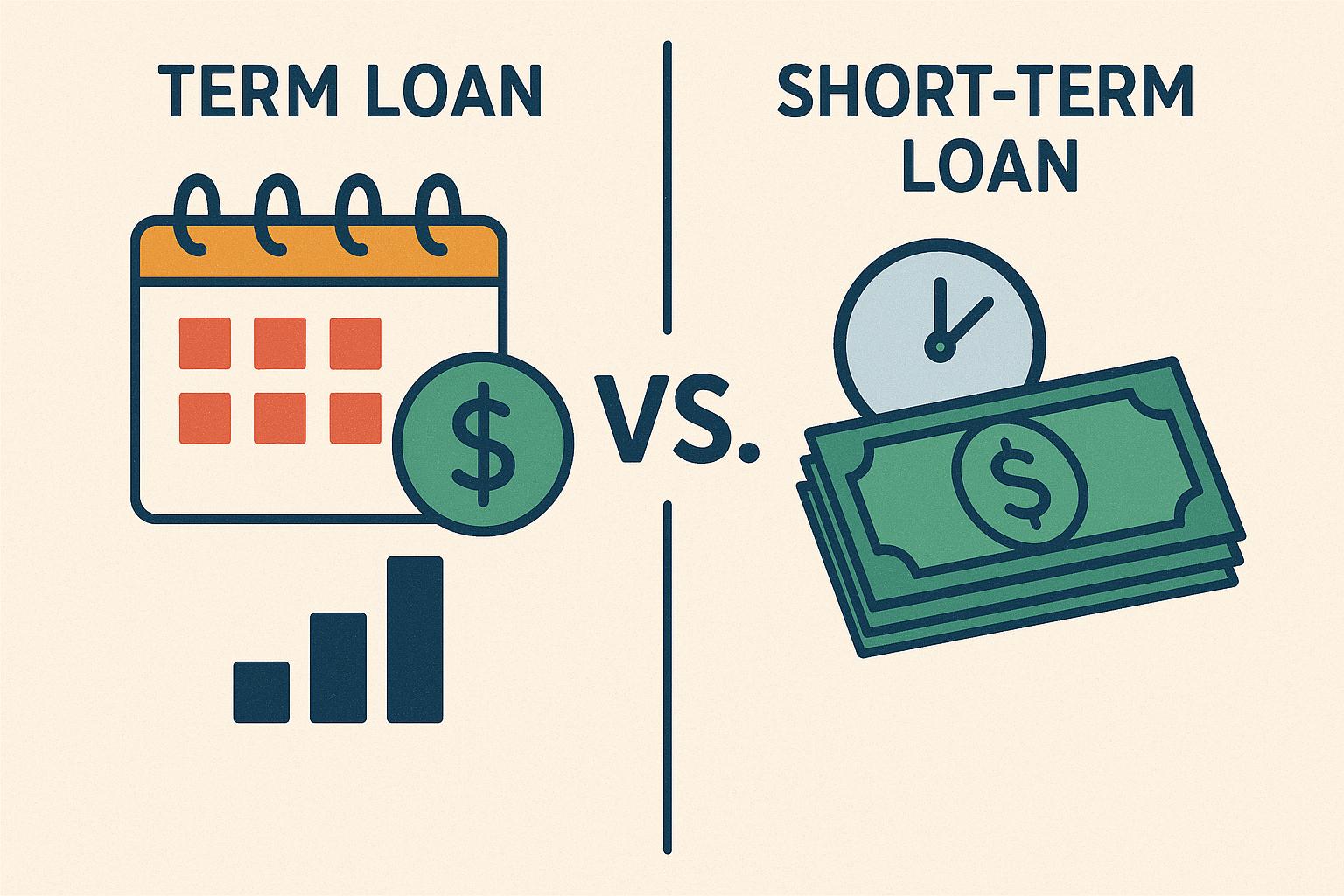
The differences between term loans and short-term loans.
Understanding Term Loans
Term loans are financial products widely utilized in the banking and finance sectors to meet the diverse borrowing needs of businesses and individuals. Offered by banks and other financial institutions, term loans come with a defined repayment schedule that typically ranges over a period of one to ten years. This structured repayment plan serves as one of the primary benefits of term loans, providing borrowers the opportunity to organize their financial planning and budgeting effectively.
Features of Term Loans
Term loans are characterized by certain features that differentiate them from other types of loans. Below, we will explore some of these features in detail to provide a better understanding of how term loans can function within your financial strategy.
Fixed or Variable Interest Rates
Borrowers acquiring a term loan can select between two types of interest rate structures: fixed and variable. With a fixed interest rate, the rate remains consistent throughout the entire term of the loan, allowing borrowers the assurance of knowing their payment amounts each month. On the other hand, a variable interest rate can fluctuate depending on market conditions, which might lead to varying monthly installments. Choosing the right type of interest rate depends largely on one’s risk tolerance and the economic environment.
Set Repayment Schedule
A hallmark of term loans is their set repayment schedule, which clearly delineates each payment amount and due date, incorporating both the principal and interest. This predictable schedule not only supports financial planning efforts but also assists in ensuring that borrowers remain on track with their financial obligations.
Collateral Requirements
In numerous instances, term loans necessitate borrowers to provide collateral as security for the loan. The collateral could include valuable assets such as real estate, machinery, or equipment. The collateral requirement helps reduce the lender’s risk, making them more willing to offer loans at favorable terms. In the unfortunate event that the borrower defaults, the lender would have the legal right to seize the collateral as a means of recovering the loaned amount.
Exploring Short-Term Loans
Short-term loans play a crucial role in catering to immediate financing needs, generally with a repayment term of one year or less. Businesses often resort to short-term loans to cover unexpected expenses or to manage cash flow fluctuations effectively. Although they are extremely useful for meeting urgent funding needs, short-term loans usually attract higher interest rates compared to their longer-term counterparts.
Characteristics of Short-Term Loans
Short-term loans are distinguished by certain attributes that can significantly impact an individual’s or a business’s decision to opt for this kind of financing. Let’s take a closer look at some of these features and how they influence the borrowing process.
Quick Approval Process
One advantage of short-term loans is the quick approval process. Financial institutions often offer faster approval and funding procedures for these loans, making them an attractive option for borrowers in urgent need of funds. The expedited process can be particularly advantageous for businesses that face emergency expenses or sudden gaps in cash flow.
Higher Interest Rates
The shorter repayment period characteristic of short-term loans is typically associated with higher interest rates. Lenders charge these rates as compensation for the increased risk and shorter loan duration. While shorter repayment terms can mean greater overall costs in terms of interest, they help borrowers quickly free up cash flow once the debt is fully paid.
Unsecured Options
Many short-term loans are available as unsecured options; that is, they don’t require the borrower to provide collateral to secure the loan amount. Although this is beneficial for those who may not have valuable assets to pledge, unsecured loans often come with strict eligibility criteria and higher interest rates, reflecting the heightened risk to lenders.
Key Differences Between Term Loans and Short-Term Loans
There are several notable differences between term loans and short-term loans, particularly in the context of their repayment periods, interest structures, and collateral requirements.
Repayment Period
The most significant difference lies within the repayment duration of each loan type. Term loans are designed for lengthy repayment periods, offering flexibility over several years, which allows for manageable monthly installments and interest payments. Conversely, short-term loans require rapid repayment, usually within a year or less, emphasizing speed and immediacy of financial relief.
Interest Rates
Interest rate comparison further fuels the distinction between the two. As mentioned, short-term loans typically carry higher interest rates due to their quick repayment requirement and elevated lender risk. In contrast, term loans often provide more competitive interest rate options, especially if secured with appropriate collateral.
Collateral Requirements
Collateral consideration presents another divergence point. Term loans often require collateral as a risk-reducing measure for the lender, thereby incentivizing more favorable terms and conditions. In stark contrast, many short-term loans do not demand collateral, making them accessible to individuals unable to pledge security; however, this also results in more stringent borrowing terms.
For individuals and businesses deciding between term loans and short-term loans, it is crucial to assess each option’s relative benefits and costs. Understanding the characteristics and distinctions will empower prospective borrowers to make informed choices that align with their specific financial circumstances and goals. To further explore loan options, potential borrowers can visit reputable financial websites or consult professional financial advisors who can provide personalized guidance and recommendations.