
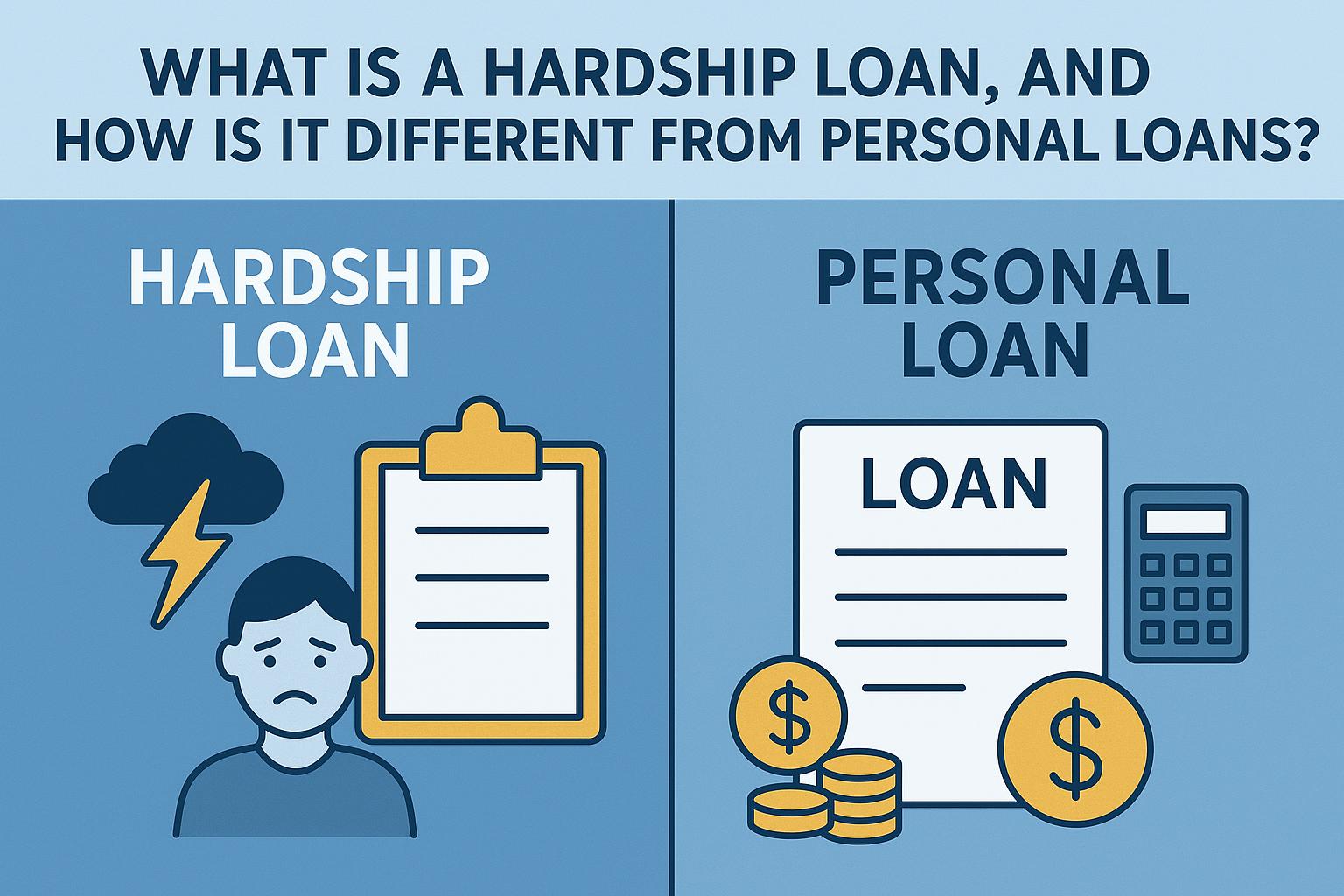
What is a hardship loan, and how is it different from personal loans?
Understanding Hardship Loans
In today’s unpredictable world, financial stability can often be disrupted by a variety of unexpected events. During such times, a hardship loan can play a crucial role in bridging the financial gap for those in dire need. A hardship loan is essentially a targeted financial product aimed at providing rapid assistance to individuals who find themselves in significant financial distress. Designed primarily to address urgent and unforeseen financial needs, these loans cater to individuals experiencing hardship due to circumstances such as medical emergencies, unexpected job loss, natural disasters, or other sudden events that might impede regular income flow.
Characteristics of a Hardship Loan
The inherent nature and specific purpose of hardship loans render them distinct from conventional loans. These loans embody several characteristics that singularly cater to the needs of individuals in financial turmoil:
Purpose: The underlying purpose of hardship loans is to offer a lifeline during emergencies. Prioritizing immediate needs, these loans are tailored to assist borrowers in covering essential expenses, thereby enabling them to regain their financial footing. Lenders often stipulate the need for documentation or evidence of financial hardship before approving such loans, ensuring that the funds reach those who genuinely need assistance.
Terms and Conditions: Hardship loans are characterized by their flexible terms and conditions, which are specifically designed to align with the borrower’s current financial stress. Owing to the possible complexities surrounding the borrower’s financial situation, these loans might feature more accommodative repayment plans as compared to traditional loans. The goal is to ease the repayment burden on the borrower during a period of financial strain.
Interest Rates: A noteworthy feature of hardship loans is their interest rate structure. Typically, these loans might offer lower interest rates than conventional personal loans. This reduced rate structure is a conscious effort to make repayment manageable for individuals facing financial hardship. However, factors like the choice of lender and the borrower’s creditworthiness can influence the actual rate applied.
Personal Loans: A Broader Financial Solution
Unlike hardship loans, which are narrowly tailored, personal loans represent a broader and more versatile category of financial instruments. Personal loans are leveraged for a myriad of purposes, encompassing debt consolidation, home renovation projects, financing significant purchases, and more. Not bound by the specific requirements or conditions of hardship, personal loans generally offer standard terms to borrowers, irrespective of their immediate financial status.
Differences Between Personal and Hardship Loans
While the overarching aim of both personal and hardship loans is to provide financial aid, the differences between them lie within the nuances of their criteria, application processes, and usage flexibility:
Eligibility Criteria: The requirements to qualify for a personal loan usually include demonstrating a steady income stream and maintaining a good credit score. Lenders use these parameters to assess the financial stability and reliability of the applicant. On the contrary, hardship loans tend to have more relaxed eligibility criteria, given their intention to support individuals in acute financial distress. The primary focus is on the borrower’s immediate hardship rather than their past financial history.
Application Process: The process of applying for personal loans is relatively straightforward, often hinging on an evaluation of the applicant’s credit history and income consistency. Conversely, securing a hardship loan may involve an elaborate and sometimes extended process due to the necessity for substantiating the claimed hardship through additional documentation. This could include employment termination letters, medical bills, or evidence of disaster impact, which underlines the borrower’s urgent need for financial support.
Flexibility in Use: Empowering borrowers with the flexibility to decide how to utilize the funds is a defining feature of personal loans. Borrowers enjoy the liberty to spend the borrowed amount on diverse expenditures as they find necessary. In contrast, hardship loans mandate the use of funds strictly for essential and immediate needs, such as medical expenses or basic sustenance costs. This specificity ensures that the funds are allocated to seriously needed areas, reflecting the loan’s primary intent.
Conclusion
The decision between opting for a hardship loan or a personal loan calls for a judicious assessment of one’s current financial circumstances and long-term financial goals. Each loan serves distinct purposes: while personal loans extend broad usage flexibility, hardship loans are meticulously designed to alleviate the financial challenges of individuals encountering critical episodes. Borrowers should weigh the differences and choose based on relevance and suitability to their personal financial situation. An informed approach, taking into account one’s immediate financial needs and potential repayment pathways, can guide borrowers toward selecting the financial product that best complements their situation, ensuring stability and peace of mind amid challenging times.